(see below for individual product maintenance)
Minor Environmental Risk Profile: Every 6 months
Medium Environmental Risk Profile: Every 3 months
High Environmental Risk Profile: Monthly
Extremely High Environmental Risk Profile: Cleaning and Maintenance may need to be carried out fortnightly to eliminate salt and sand causing irreparable damage to your outdoor products.

(see below for individual product maintenance)
Minor: 12 monthly for standard use environments (such as products mounted in bedrooms, typically operated in a full cycle (up and down) once per day)
Medium: 6 monthly for high use environments (such as products mounted over doorways that are operated multiple times per day)
High: 3 monthly Commercial Applications – (Limited Warranties apply to all products installed in commercial applications)
Since Haven® and Ziptrak® Awnings are typically installed outside, general cleaning and maintenance is required with the frequency applicable to your environmental risk profile.
Fabric: Should be cleaned as follows:
This process should occur at least once in your applicable Maintenance Interval.
This process should occur at least once in your applicable Maintenance Interval.
This process should occur at least once in your applicable Maintenance Interval.
Since Straight Drop and Wire Guide Awnings are typically installed outside, general cleaning and maintenance is required with the frequency applicable to your environmental risk profile.
Fabric: Should be cleaned as follows
This process should occur at least once in your applicable Maintenance Interval.
This process should occur at least once in your applicable Maintenance Interval.
This process should occur at least once in your applicable Maintenance Interval.
This process should occur at least once in your applicable Maintenance Interval
Since Window Awnings are typically installed outside, general cleaning and maintenance is required with the frequency applicable to your environmental risk profile.
Fabric: Should be cleaned as follows
This process should occur at least once in your applicable Maintenance Interval.
This process should occur at least once in your applicable Maintenance Interval.
This process should occur at least once in your applicable Maintenance Interval.
This process should occur at least once in your applicable Maintenance Interval.
This process should occur at least once in your applicable Maintenance Interval.
This process should occur at least once in your applicable Maintenance Interval.
This process should occur at least once in your applicable Maintenance Interval.
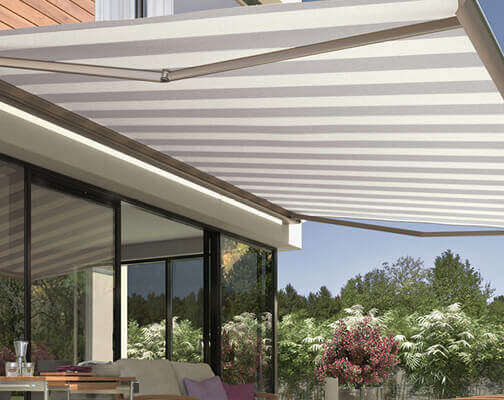
Since Folding Arm Awnings are typically installed outside, general cleaning and maintenance is required applicable to your environmental risk profile.
Fabric: Should be cleaned as follows
This process should occur at least once in your applicable Maintenance Interval.
This process should occur at least once in your applicable Maintenance Interval.
This process should occur at least once in your applicable Maintenance Interval.
This process should occur at least once in your applicable Maintenance Interval.
This process should occur at least once in your applicable Maintenance Interval.
This process should occur at least once in your applicable Maintenance Interval.
Fabric: Should be cleaned as follows
This process should occur at least once in your applicable Maintenance Interval.
This process should occur at least once in your applicable Maintenance Interval.
This process should occur at least once in your applicable Maintenance Interval.
This process should occur at least once in your applicable Maintenance Interval.
This process should occur at least once in your applicable Maintenance Interval.
This process should occur at least once in your applicable Maintenance Interval.
Since Roller Shutters are typically installed outside, general cleaning and maintenance is required.
Slat curtain: Should be cleaned as follows
This process should occur at least once in your applicable Maintenance Interval.
*This process should be done prior to cleaning windows, as it will commonly push dirt and debris between perforations, landing on whatever is behind the Slat Curtain. (typically windows).
This process should occur at least once in your applicable Maintenance Interval.
This process should occur at least once in your applicable Maintenance Interval.
Since Aluminium Shutters typically are installed outside, general cleaning and maintenance is required.
Blades should only be rotated with care, by hand. Never rotate blades by gripping the top or bottom blade in a stack of blades, doing this will put excess pressure on the rotation link screw and can lead to damaging the blade. It is advised to rotate blades using a blade in the middle of a stack and in instances for more than 10 blades, two hand operation is advised. No warranty applies to blades damaged due to misuse.
This process should occur at least once in your applicable Maintenance Interval.
This process should occur at least once in your applicable Maintenance Interval.
Since Roller Blinds are installed inside the home, general cleaning and maintenance is required. Light dusting with a hand-held duster is recommended at least once during your maintenance interval period.
Fabric: Should be cleaned as follows
This process should occur at least once in your applicable Maintenance Interval.
This process should occur at least once in your applicable Maintenance Interval.
FAQ: My blind does not roll perfectly straight, will this affect the blind?
A: In most cases this is not a problem. However, if your blind is rolling to one side too much it could start to fray the edge. If this happens, please stop using the blind and call 1300 957 640 so that we can assist in straightening the blind. Continued use of a blind that is not rolling straight to the point of damage will not be covered under warranty. A blind rolling to one side can be caused by drafts through windows and doors where the air movement can make the blind roll to one side, insects being caught in the fabric when rolling up, or even children/pets playing behind the blinds.
FAQ: When my roller blinds become dirty, how should I clean them?
A: Most roller blind fabrics should be cleaned with a damp ‘Magic Block’ or baby wipes (available from supermarkets) using very light pressure on the fabric. Please be aware that excess pressure applied when cleaning can damage the coating on the fabric. During operation, roller blinds can also squash insects. Please keep an eye out for any unsuspecting victims and remove them as quickly as possible as they may stain your fabric.
FAQ: I have gaps at the edge of a blind or between blinds, are these gaps normal?
A: All standard roller blinds (excluding Ziptrak Interior Blinds) will have gaps at the edge or between blinds, this is to allow for brackets and components. We do our best to ensure the installation of the blind mechanism is horizontal and the fall of each blind is vertical however, due to walls/recesses often being ‘out of square’ we can’t always follow the line of the adjacent wall. Ziptrak Interior Blinds are designed with no gaps and can provide complete block-out from daylight.
Since Interior Ziptrak® blinds are installed inside the home, general cleaning and maintenance is required. Light dusting with a hand-held duster is recommended at least once during your maintenance interval period.
Fabric: Should be cleaned as follows
This process should occur at least once in your applicable Maintenance Interval.
This process should occur at least once in your applicable Maintenance Interval.
Since Vertical Drapes and Panel Glides are installed inside the home, general cleaning and maintenance is required. Light dusting with a hand-held duster is recommended at least once during your maintenance interval period.
Fabric: Should be cleaned as follows
This process should occur at least once in your applicable Maintenance Interval.
Since Roman Blinds are installed inside the home, general cleaning and maintenance is required. Light dusting with a hand-held duster is recommended at least once during your maintenance interval period.
Fabric: Should be cleaned as follows
This process should occur at least once in your applicable Maintenance Interval.
Since Venetian Blinds are installed inside the home, general cleaning and maintenance is required.
This process should occur at least once in your applicable Maintenance Interval.
Since Cellular Blinds are installed inside the home, general cleaning and maintenance is required.
Fabric: Should be cleaned as follows
This process should occur at least once in your applicable Maintenance Interval.
This process should occur at least once in your applicable Maintenance Interval.
This process should occur at least once in your applicable Maintenance Interval.
Since Curtains and Sheers are installed inside the home, general cleaning and maintenance is required.
Fabric: Should be cleaned as follows
This process should occur at least once in your applicable Maintenance Interval.
Possible curtain shrinkage of up to 3% of total drop may occur after washing and/or ironing
This process should occur at least once in your applicable Maintenance Interval.
FAQ: My curtains fabric has some creases, will these disappear?
A: Whilst all curtains are pressed before leaving the factory, inevitably curtains may gather creases during transport. Some fabric compositions may react worse than others; linen for example. These creases should drop out over the next 2-3 weeks. If deep creases still persist, contact our team on 1300 957 640 and we will quote you on our steaming service.
FAQ: How do I wash my curtains?
A: It is recommended curtains be professionally dry-cleaned, seeing as by using this service, any cleaning is done so at the risk of the cleaner. Please understand there is always a very high risk of shrinkage when curtains are cleaned, even when dry-cleaned, and this shrinkage is NOT covered by our warranty. If you are unsure find the care code on the tag of your curtains and call Country on 1300 957 640 for advice.
Since Plantation Shutters (timber and PVC) are installed inside the home, general cleaning and maintenance is required.
Moisture is a natural enemy of timber plantation shutters; timber exposed to moisture will expand. This expansion leads to cracking paint. Even once shutters are dried, the visible damage from moisture exposure will still be visible. Should shutters ever become wet, they need to be thoroughly dried immediately. Moisture from condensation can also be damaging. Ensure there is sufficient ventilation around frames and panels for rooms with high humidity or poor ventilation.
Blades should only be rotated with care, by hand. Never rotate blades by gripping the top or bottom blade in a stack of blades, doing this will put excess pressure on the rotation link screw and can lead to damaging the blade. It is advised to rotate blades using a blade in the middle of a stack and in instances for more than 10 blades, two hand operation is advised. No warranty applies to blades damaged due to misuse.
This process should occur at least once in your applicable Maintenance Interval.
This process should occur at least once in your applicable Maintenance Interval.
FAQ: My plantation shutters don’t seem to shut in a way that is perfectly even – is this normal?
A: Plantation shutters are designed to shut in the ‘blade up’ position, and being a natural product some variation in blade width and thickness may lead to varied light bleeding in with some variation. This is completely normal and is to be expected. Plantation shutters will never block out 100 percent of light.
FAQ: Upon very close inspection my shutters appear to have marks or slight imperfections, is this normal?
A: Plantation shutters are made using a natural product and because of this, there can be imperfections in the timber. Please note only marks that can be noticed over 1.5 metres away will be assessed, as per our quotation.
FAQ: Is it OK for my plantation shutter to get wet?
A: Plantation shutters (timber or PVC) can take exposure to water splashes momentarily without adverse effects of wiped dry immediately. However, if left wet for prolonged periods of time the shutter will absorb moisture and can suffer paint damage. This will often be evident through hairline cracks, usually at the base of the shutter or sub-frame. This damage is NOT covered under warranty. We suggest immediately drying any water splashes, making sure the bathrooms and wet areas are well ventilated and that windows are left open.
FAQ: How can I clean my outdoor blinds & awnings?
A: Different cleaners are used for different fabrics.
Clear/tinted PVC should be first rinsed with clean water then cleaned with ‘Vuplex’ (available from Country and most auto care stores) and a soft clean cloth
Mesh fabric should be cleaned with warm soapy water (dish detergent is fine) on a soft cloth or soft broom then rinsed with clean water
Canvas fabric should be cleaned with warm soapy water (dish detergent is fine) on a soft cloth then rinsed with clean water. Once dry, the canvas should be treated with fabric water proofer (available from most camping and hardware stores)
FAQ: When I pull down my outdoor blinds there are ripples in the material – will these go away?
A: Depending on materials, some ripples will ‘drop out’ faster than others. Due to the nature of the woven fabrics, these develop a slight ripple when rolled up. However, when lowered this ripple will drop out given exposure to some warmth. It’s a process that can take between 15 minutes and several hours depending on the temperature of the day. Simply lower the outdoor blind evenly, give it some time and the ripples will fade
Rippling in clear or tinted PVC will reduce, but will never completely disappear. As the consultant advised, this condition does not constitute a product defect.
FAQ:How do I raise my new outdoor blinds or awnings?
A: In most cases this is very simple. Either un-clip the outdoor blind from either side, or from the middle using the centre lock (if fitted) then raise the blind from the centre. Some may feature a crank handle, and using this is simple – fit the handle to the crank, and then wind it in an appropriate direction. Traditional window awnings require you to push the bottom bar down and towards the wall thus ‘unlocking’ them. With this done, keeping the bar pushed towards the wall means the window awning will remain free to travel up and down to the desired position.
FAQ: The operation ‘feel’ of my outdoor blinds varies slightly from one another – is this ok?
A: Yes, outdoor blinds of varying sizes and fitting will feel different to operate, due to their difference in weight. From time to time, the squareness of various support posts can affect the operation of the blinds. Even similar size blinds can feel different from one another, but these differences lessen over time as the blinds ‘bed in’
FAQ: When operating my Ziptrak blinds, from time to time when using the centre lock I have trouble releasing the locks – why is this?
A: The Ziptrak centre lock system is designed to operate when downward pressure is placed on the bottom bar before lifting the lock handle. The Ziptrak lock handle should be used to release the locks. Ziptrak blinds should never be raised or lowered using the centre lock handle. Hook the handle into the rail itself (rather than the small plastic handle) when pulling down.
FAQ: Can my outdoor blinds or awnings be used in strong winds?
A: No. We strongly recommend raising all outdoor blinds, and window awnings, pleated awnings and folding arm awnings during times when strong winds are present. All Country outdoor products are not warranted against storm damage.
FAQ: Sometimes when I raise my window awnings one side does not sit against the top stop – is this a problem?
A: No, this is due to the ‘splines’ on the window awning rolling on top of one another which is perfectly normal. To straighten your awning, gently pull the bottom bar down from the side that is high, then raise again, this time ensuring that when you lift the awning bar you are pushing up from the side that was sitting lower. This process may need to be repeated a few times to help level the bottom bar. Rest assured that it will level, and that the condition won’t affect the awning while it is not level. Note that the action of the spline can also sometimes cause the awning to appear ‘fatter’ in the middle, which can occasionally cause the awning to sag slightly when rolled up.
FAQ: My outdoor blinds look baggy when they are wound halfway down, is this normal?
A: Yes, most outdoor blinds have side splines or hems for strength on the edge. All outdoor blinds are designed to look their best once fully lowered.
FAQ:My outdoor blind doesn’t seem level at the top or bottom – there are gaps. Why
A: All Country outdoor blinds are installed level. Often we find customers’ floors, deck, pavers or concrete can be out of level, due to fall for drainage or even sunken pavers. Sometimes the top fascia can be on a slope due to posts dropping or due to movement in the soil. Because we need to fit our outdoor blinds level, this prevents us from following the sloping ground or sloping top lines. If the gap is severe we will let you know and possibly add a flap or top flashing at a subsidised cost to help conceal the issue
FAQ: The motor in my blinds has stopped responding to the remote control
A: When this situation arises, it is often found the remote control has a flat battery. In this case, simply visit a hardware store or battery retailer to purchase a replacement battery. Be sure to take the old battery with you for reference to ensure you purchase the correct battery replacement. Having replaced the battery and the motor is still not responding to the remote control, please call us on 1300 957 640 for advice.


 FREE QUOTE
 Window Furnishings
 Room Visualiser
 Flooring
 Warranty
 Services
 Commercial
 About
About