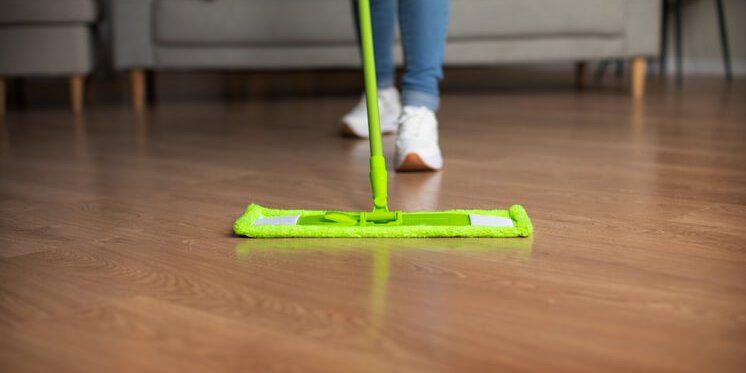
Luxury Vinyl plank (LVP) is designed to handle busy homes, but spills and scuffs still sneak in. The good news: with the right approach you can remove stains from vinyl plank flooring quickly and safely without dulling the finish. This guide walks you through what to use, what to avoid, and how to treat the most common marks—written for real homes and everyday messes in Adelaide and across SA.
If something has just spilled, get to the area immediately. Blot rather than rub so you don’t push the stain deeper. Spray a pH-neutral cleaner that’s labelled safe for vinyl plank, let it sit briefly, then wipe and rinse with clean water. Test anything stronger in a hidden spot first, and avoid steam, abrasive pads and harsh solvents.
Most modern vinyl flooring responds best to gentle, pH-neutral cleaners, microfibre cloths and light pressure. Keep a soft-bristle brush for texture and a plastic scraper (an old gift card works) for lifting dried paint or adhesive. For stubborn dye transfer, 70% isopropyl alcohol can help—but only as a dab-on spot treatment, never a soak. Melamine sponges can lift black scuffs, but use light passes and stop as soon as the mark releases.
What to avoid:
Different stains need different tactics. Food and drink dyes (coffee, red wine, curry) often respond to dwell time with a neutral cleaner followed by a light rinse. Grease and cooking oils prefer a mild dish-liquid solution to break them down. Black scuffs are usually rubber transfer from shoes or furniture feet. Ink and hair dye are dye-based and need careful spot dabbing. Paint and tape residue benefit from softening and gentle lifting. Metal transfer and light rust should be handled conservatively to protect the finish.
Act fast. Blot the spill to lift as much colour as possible, then apply a pH-neutral vinyl cleaner and give it a minute to work. Wipe in the direction of the plank so you’re not pushing liquid into edges. Rinse and dry. If a faint tint remains—common with red wine or curry—dab (don’t scrub) the spot with a little 70% isopropyl alcohol on a microfibre cloth, then clean and rinse again. Short, gentle contact beats heavy rubbing.
Warm water plus a drop of mild dish liquid helps break surface tension so the stain releases. Lay the solution on, allow five to ten minutes of dwell time, then wipe away the residue. Follow with your neutral cleaner to remove any film and rinse with clean water. If needed, repeat the cycle rather than scrubbing harder.
These are usually rubber transfers sitting on the surface. Start with the least aggressive option: light passes with a melamine sponge. As soon as the scuff vanishes, stop and wipe with neutral cleaner, then dry. Prevent repeats by adding felt pads to furniture feet and being cautious with black rubber pads on stools or appliances.
Because these are dye-based, go slowly. Test in an inconspicuous area, then dab the stain with 70% isopropyl alcohol on a microfibre cloth—short contact, no soaking. Clean with neutral cleaner, rinse and dry. If a trace remains, repeat light dabs rather than switching to harsher chemistry.
Fresh water-based paint usually lifts after softening with warm, lightly soapy water and a gentle nudge from a plastic scraper or old gift card. If it has dried, stage the job: soften, lift a little, wipe and repeat. For tacky adhesive or tape residue, work in neutral cleaner with the cloth first and only then use the scraper to tease it away. Strong solvents like acetone may damage vinyl—avoid them.
Clean the area with neutral cleaner and a soft cloth. If a faint mark lingers, use a manufacturer-approved stain remover designed for vinyl and follow the label closely. Avoid acids (including vinegar); they can dull the finish and create new problems.
A dull film usually signals residue from over-strong solutions or too much product left on the surface. Reset with the two-bucket method: one bucket for the correctly diluted pH-neutral cleaner and one for clean rinse water. Mop with a well-wrung microfibre head so seams don’t get over-wet, then rinse and let air dry. Sticking with one compatible cleaner (and the right dilution) prevents haze returning.
Most marks are easier to prevent than remove. Doormats at entries catch sand and red dust that act like fine sandpaper. Wipe spills promptly—minutes matter with colourful foods and drinks. Fit felt pads to furniture, and avoid dragging heavy items. A weekly routine of dry dust-mopping followed by neutral cleaner where needed keeps films from building up. Managing sun and heat with well-chosen blinds or curtains can also help minimise long-term discolouration.
If the stain won’t shift without aggressive chemistry, if you notice the finish lifting or bubbling, or if a large high-traffic area is affected and you’re concerned about warranty coverage, it’s wise to get help. Different brands and finishes can react differently; when in doubt, ask for product-specific advice before pushing harder.
Can I use vinegar on vinyl floors?
It’s not recommended. Vinegar is acidic and can slowly dull the finish. A pH-neutral cleaner designed for vinyl is a better everyday choice.
Will bleach damage vinyl flooring?
Undiluted bleach can discolour and weaken the wear layer. If sanitising is essential, use a manufacturer-approved solution exactly as directed and rinse thoroughly.
How do I remove yellowing on vinyl?
First, try a residue reset with the deep-clean method. If yellowing persists, causes can include rubber transfer, UV exposure or age. Before trying anything stronger, talk to the manufacturer or a flooring professional.
Are steam mops safe for vinyl?
No. Steam can force moisture into seams and compromise adhesives and the wear layer.
What’s the best everyday cleaner for vinyl plank floors?
A pH-neutral cleaner clearly labelled safe for vinyl/LVP. Measure the dilution accurately and rinse to avoid haze.
Our team at Country Blinds offers brand-aligned care guidance, showroom or mobile consults, and practical tips that suit local conditions. If you’d like advice tailored to your exact product and room, we’re here to help.
Always follow the care guide supplied with your specific flooring brand and finish. Test any spot treatment in a hidden area, keep pressure light and rinse thoroughly. If you’re unsure, speak with your installer or our team before proceeding.


 FREE QUOTE
 Window Furnishings
 Room Visualiser
 Flooring
 Warranty
 Services
 Commercial
 About
About